What to notice first
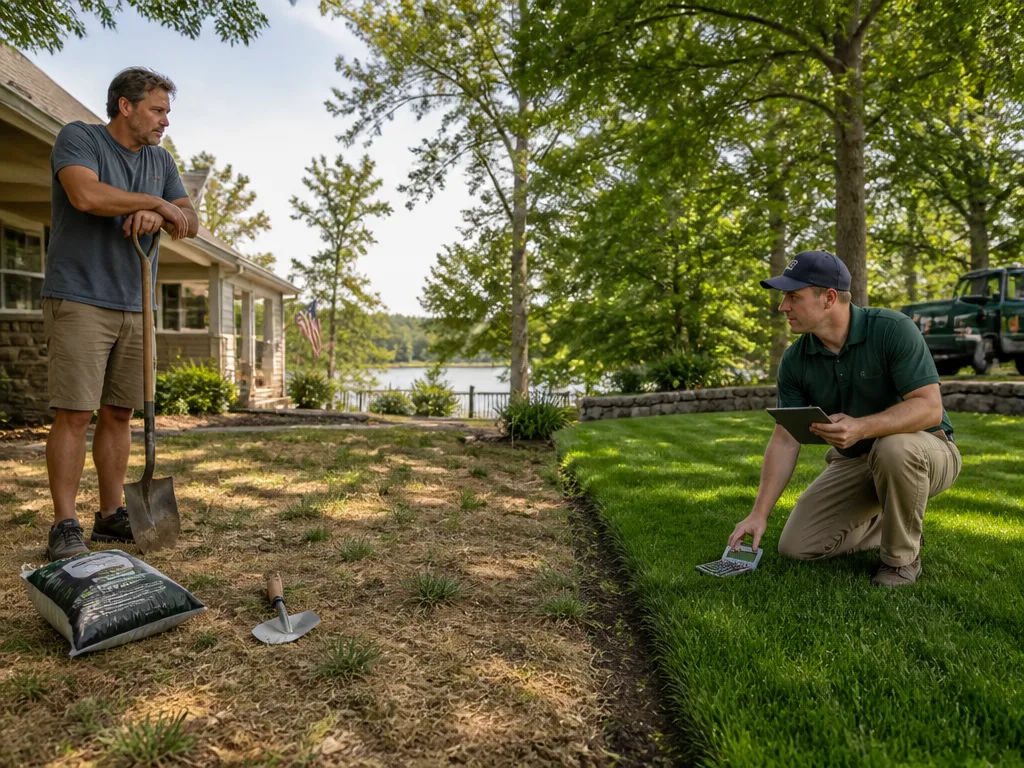
In Arkansas, a lawn that suddenly looks stressed often starts with color changes. Pale yellow or dull blue-green blades can indicate a lack of nutrients or compacted soil. If the lawn looks dull after a rain, it may be due to soil that drains poorly and stays wet longer than it should. Our lawn care specialists see this pattern often, especially in yards with heavy clay or poor grading.
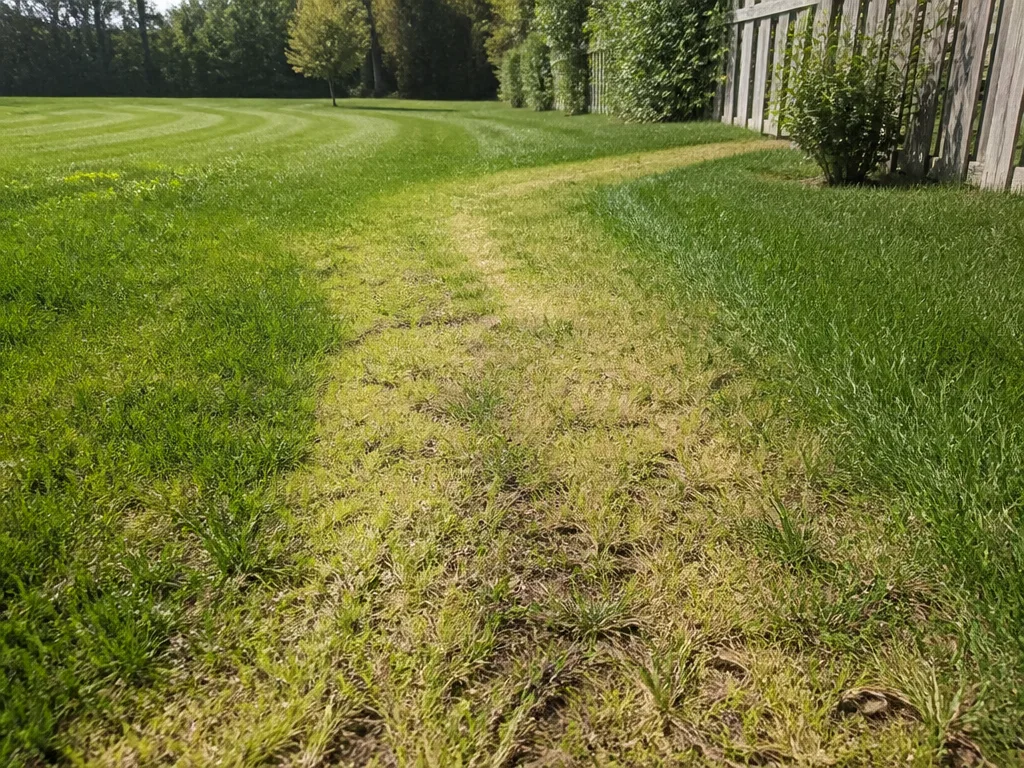
Another clear sign is thinning patches that bare soil shows through. When grass loses density, it becomes vulnerable to weeds and heat stress. If you spot footprints that stay clear after mowing or walking on the turf, that can mean the soil is compacted, limiting air, water, and nutrient movement to roots.
What it means for Arkansas lawns
Color shifts and thinning are seldom one-off problems. Across Arkansas, many lawns face a combination of factors like soil pH imbalances, nutrient deficiencies, and moisture swings. Our team often finds that addressing drainage and soil structure first helps keep everything else in balance. A uniform, resilient lawn starts with understanding what the soil is telling you.
Weather patterns matter here too. In drought stretches, roots go deeper and turf may go dormant in spots. After heavy rains, you may see fungal spots or fungus-like growth that curls or browns at the edges. Our crews in every Arkansas metro bring a steady eye for how seasonal swings affect your grass all year long.
Simple checks you can do
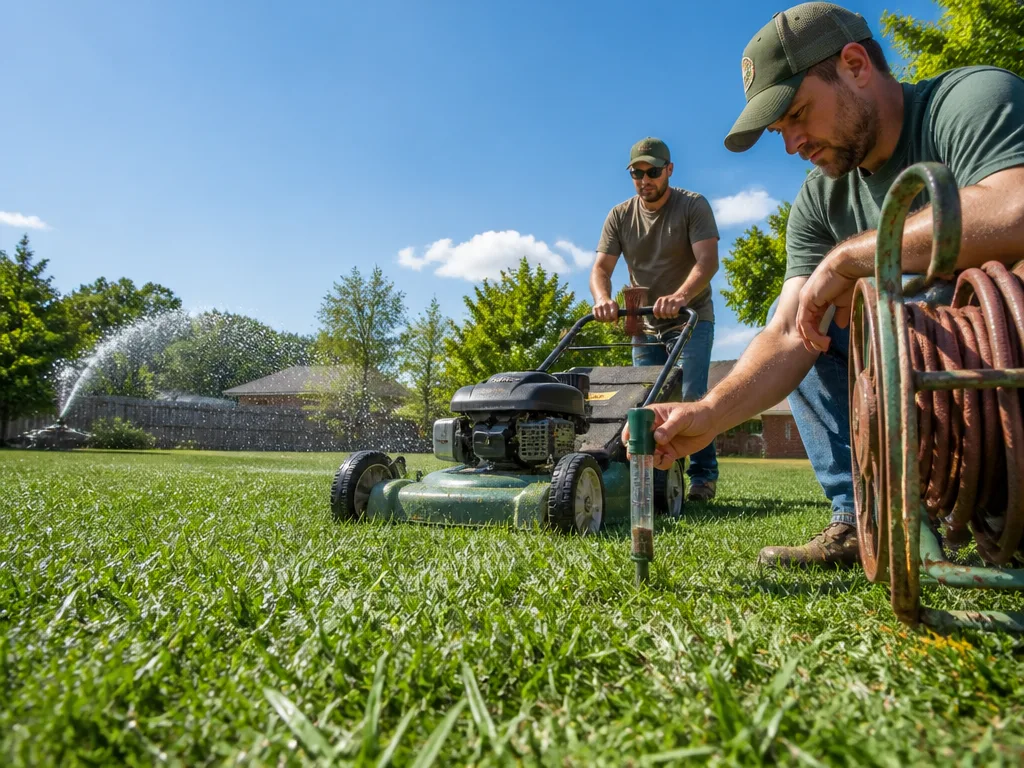
Start with a soil test. It gives a baseline for pH and nutrient levels across the state. If the test shows low iron or nitrogen, a targeted application can help. Check drainage by pulling a small core from a problem area and looking at how quickly water drains. If it sits for more than 24 hours, drainage improvements may be needed.
Watch for compacting: walk the yard and listen for a muffled thud as you step. If the soil feels hard and the footprint remains, that’s a sign to ease those heavy traffic zones. Consider core aeration or overseeding to restore density in worn areas.
When to call a lawn care specialist
If color issues persist after a soil adjustment, or if thinning spreads beyond a few patches, it’s time to bring in our team. A lawn care specialist can assess soil texture, moisture, and root health, then tailor a plan for Arkansas-wide conditions. We’ll walk you through steps that fit your yard and climate, with clear, plain-language explanations and options for ongoing care.